

Your cart is currently empty!
I have salvaged countless failed bulk orders because designers chose best sportswear fabrics based on glossy marketing claims. The result? You receive 500 units of sheer, pilling, or odor-retaining clothes.
At Neon, we stop these disasters before production. We rank textiles using strict ISO 105 colorfastness standards. We rigorously evaluate moisture management, stretch recovery, abrasion resistance, and handfeel.
This guide shows you how to compare options using actual sourcing logic. Welcome to our Material Science Corner.

Table of Contents
- List Of 10 Best Sportswear Fabrics
- 1. Polyester: The Baseline Performance Workhorse
- 2. Nylon: Premium Handfeel With Better Abrasion Resistance
- 3. Polyester-Spandex Blends: Best All-Rounder for Gym and Teamwear
- 4. Nylon-Spandex Compression Knits: Best for Leggings, Sports Bras, and Sculpted Fit
- 5. Engineered Mesh and Jacquard Mesh: Best for Zoned Ventilation
- 6. Merino Wool: Best Natural Performance Fiber
- 7. TENCEL™, Modal, and Bamboo Jerseys
- 8. Recycled Polyester (rPET): Best Scalable Sustainable Synthetic
- 9. Microfiber: Best for Fine-Filament Softness and Fast Drying
- 10. Waterproof-Breathable Membrane Laminates: Best for Outdoor Shells and Harsh Weather
List Of 10 Best Sportswear Fabrics
| Fabric | Key Traits | Main Use |
|---|---|---|
| 1. Polyester | Durable, quick-dry, strong, keeps shape. | Sportswear, jackets, fleece, casual wear. |
| 2. Nylon | Very strong, abrasion-resistant, elastic, dries fast. | Activewear, swimwear, rain gear, bags. |
| 3. Polyester-Spandex | Durable + stretch, good shape retention. | Leggings, sportswear, fitted tops. |
| 4. Nylon-Spandex Compression | High stretch, muscle support, smooth fit. | Compression gear, swimwear, base layers. |
| 5. Engineered/Jacquard Mesh | Breathable zones, 3D texture for airflow/style. | Athletic panels, shoes, fashion details. |
| 6. Merino Wool | Natural, temp-regulating, odor-resistant, soft. | Base layers, socks, outdoor wear. |
| 7. TENCEL™/Modal/Bamboo | Plant-based, very soft, breathable, drapey. | Underwear, t-shirts, loungewear. |
| 8. Recycled Polyester | Same as polyester, made from recycled plastic. | Eco-friendly sportswear, fleece, jackets. |
| 9. Microfiber | Ultra-fine fibers, very soft, lightweight. | Cleaning cloths, athletic wear, linings. |
| 10. Waterproof-Breathable Membrane | Blocks water, lets vapor escape (e.g., Gore-Tex). | Rain jackets, ski shells, hiking gear. |
1. Polyester: The Baseline Performance Workhorse
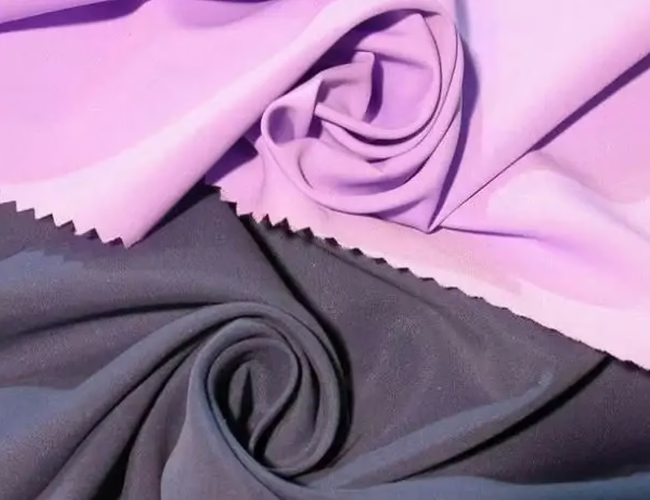
Polyester is the most scalable choice among sportswear materials fabrics. It dominates moisture-wicking teamwear because it dries fast and stays affordable.
But quality varies wildly. When I audit fabric mills, I check for tight filament tolerance. Premium polyester has a smooth technical face. It stays slightly shiny unless you request a peached finish. Low-grade polyester feels plasticky and traps heat.
This fabric excels for running tees and jerseys. The main tradeoff is odor. Research from the American Society for Microbiology shows untreated polyester breeds odor-causing bacteria quickly. You must add an anti-microbial treatment.
If you source lightweight performance tops from a golf apparel manufacturer, specify a fabric weight between 120 and 170 GSM. We use AATCC test methods to verify these specs.
2. Nylon: Premium Handfeel With Better Abrasion Resistance
Are your customers complaining about yoga pants pilling after three washes? You probably sourced the wrong nylon.
Up close, nylon is denser and smoother than untreated polyester. It drops the cheap, glossy shine for a slick, cool handfeel. When comparing sportswear materials fabrics, nylon stands out for leggings and sports bras. It delivers superior rub resistance, though it runs warmer and costs more.
When I review tech packs, I reject the generic “nylon” label. You must specify the subtype. Nylon 6 is softer and dyes easily. For maximum durability of nylon in sports, I upgrade clients to Nylon 6,6. It handles high-friction zones much better and easily passes strict ISO 12947 abrasion tests.
3. Polyester-Spandex Blends: Best All-Rounder for Gym and Teamwear
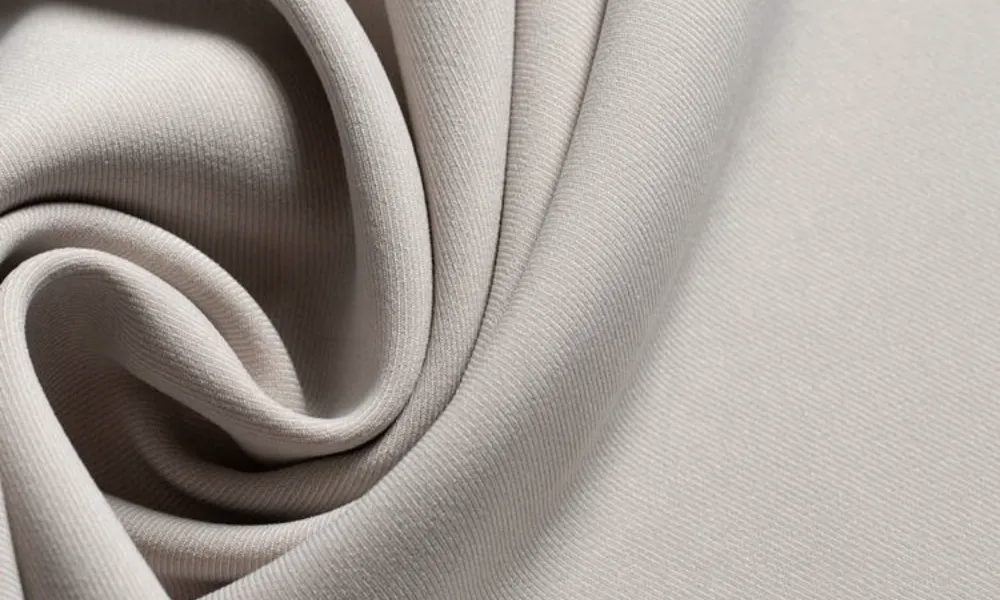
You want to launch training tops, fitted shorts, and entry-to-mid-tier leggings, but cannot afford separate minimum order quantities. Polyester spandex blends solve this problem.
This fabric wins at scale. Polyester handles sweat and dries fast. Spandex adds stretch and strict snap-back recovery. You get a perfect balance of cost, performance, and vivid sublimation printability.
Expect a smooth interlock or a slightly brushed jersey depending on your finish. This versatility is vital when working with a tennis clothing manufacturer where sport-specific fit matters.
When I consolidated a bulk gymwear order last year, an 88/12 poly-spandex blend passed our ISO 5077 shrinkage tests easily. The biggest risk is over-engineering the softness. Requesting extreme brushing drastically raises the pilling risk during heavy workouts.
4. Nylon-Spandex Compression Knits: Best for Leggings, Sports Bras, and Sculpted Fit
Nothing ruins a brand faster than see-through leggings. When inspecting sportswear materials fabrics in our Wuhan facility, I look for a compact, interlock-like density instead of a fluffy lounge finish. True compression knits feel slick and cool to the touch.
This dense construction is perfect for leggings, sports bras, and sculpted shorts. It delivers aggressive support, rapid stretch recovery, and total opacity. Target a fabric weight between 200 and 300 GSM. We verify these weights using ISO 3801 standards to guarantee squat-proof coverage.
Many buyers mistakenly request a buttery-soft peached finish. Avoid this for high-performance gear. Peaching breaks the surface fibers. We use ISO 12945 pilling tests to show clients how this process undermines compression and causes severe pilling during heavy workouts.
5. Engineered Mesh and Jacquard Mesh: Best for Zoned Ventilation

I often see private label brands design entire running shirts from open-hole mesh. We flag these during tech pack reviews because the garments become completely see-through.
Instead, use engineered mesh for targeted mesh fabric ventilation. Up close, these breathable athletic textiles look like a matrix of micro-perforations.
Factories program premium jacquard mesh digitally. Machines knit the airflow zones directly into these sportswear materials fabrics instead of punching them out later. Research from Textile World confirms that seamless knitted ventilation maintains significantly higher burst strength.
Use these porous materials strictly as component fabrics. In our factory tests, they work best for back panels and underarm gussets. You must map out abrasion zones carefully. A heavy backpack strap will destroy a mesh shoulder panel instantly.
6. Merino Wool: Best Natural Performance Fiber
Clients often specify pure merino for premium outdoor gear. Six months later, they face return requests for holes and shrinkage.
A fine merino jersey feels dry, soft, and springy instead of silky. Lightweight knits feel highly breathable, while heavier weights provide plush insulation. This tactile profile dictates your garment’s end use.
Merino delivers unmatched temperature regulation and natural odor resistance. It dominates premium base layers and socks. Still, I constantly warn private label brands about the commercial reality. Pure merino carries high material costs, strict washing requirements, and lower durability compared to synthetic sportswear materials fabrics.
For reliable base layers, target established GSM weight bands and test against ISO 5077 standards to prevent shrinkage:
- Light ranges sit around 150 GSM.
- Mid-weights hit 200 GSM.
- Heavy winter thermals reach 250 GSM.
7. TENCEL™, Modal, and Bamboo Jerseys
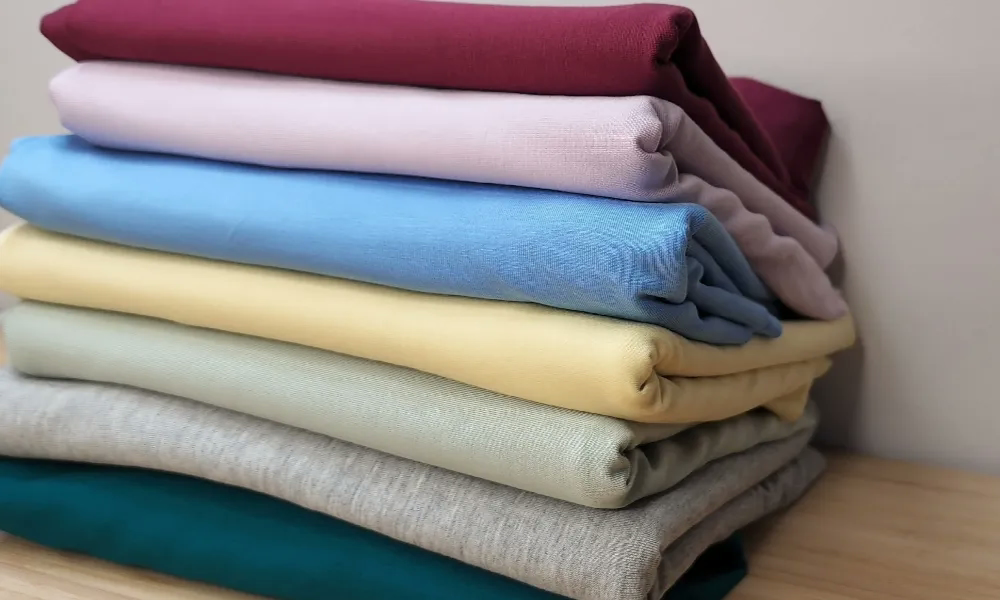
Factories often pitch any soft fabric as eco-friendly. When evaluating sportswear materials fabrics, we constantly see vague sustainability claims masking poor performance.
TENCEL™, modal, and bamboo own the tactile lane. They feel silky, drapey, and cool. Up close, smooth regenerated-cellulose jersey contrasts sharply with dense performance interlock. It drops fluidly instead of compressing.
This fluidity suits yoga, studio wear, and low-intensity training. We also use these blends for lifestyle-crossover pieces, similar to the tops we source from a premium golf apparel manufacturer.
Pure softness ruins intense gym performance. Regenerated cellulose holds moisture and lacks structural strength. During our AQL 2.5 inspections, we routinely fail pure bamboo samples for severe shrinkage. You must blend these fibers with spandex. We strictly require official Lenzing documentation to verify green claims before approving bulk production. Buzzwords do not pass our audits.
8. Recycled Polyester (rPET): Best Scalable Sustainable Synthetic
You do not have to sacrifice performance to use sustainable sportswear materials fabrics. Recycled polyester (rPET) is the best eco-friendly option for scaling a brand.
It delivers the exact same moisture management and stretch profiles as virgin polyester. Depending on the knit, you can achieve a slick technical face or a soft brushed matte texture. Your current factory already knows how to sew it, which keeps costs controlled.
But watch out for the trap. In our inspections, we reject many fabric batches because suppliers fake their claims. Recycled content alone does not guarantee premium quality. Cheap rPET still traps heat and pills after three washes. You cannot safely market a sustainable synthetic without strict compliance tracking.
9. Microfiber: Best for Fine-Filament Softness and Fast Drying
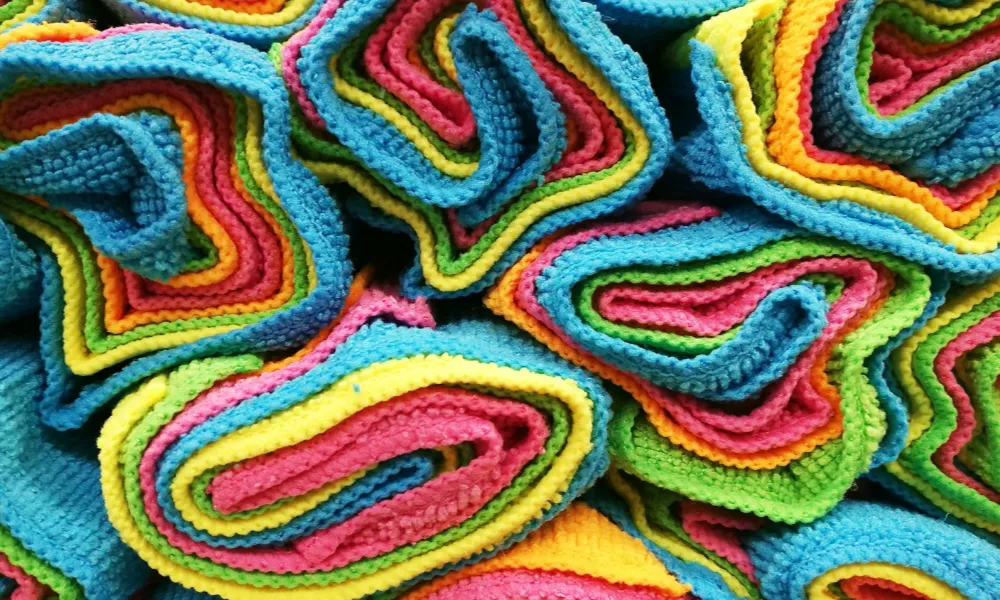
Many brand owners treat microfiber as a unique raw material. It is actually a specific construction method for sportswear materials fabrics.
Extremely fine filaments create a smoother, softer, and tighter fabric surface. When I inspect swatches in our Wuhan facility, chunky basic polyester looks like a wire fence under the macro lens. True microfiber looks like woven silk. This dense structure feels refined and dries fast.
It excels for soft training apparel, lightweight tracksuits, inner linings, and gym towels. It costs more to mill. It also sheds non-biodegradable microplastics during heavy washing, according to Ocean Conservancy research.
A premium feel does not guarantee durability. Later in this guide, we explain denier. This textile measurement standard reveals why a soft microfiber might tear during intense workouts.
10. Waterproof-Breathable Membrane Laminates: Best for Outdoor Shells and Harsh Weather
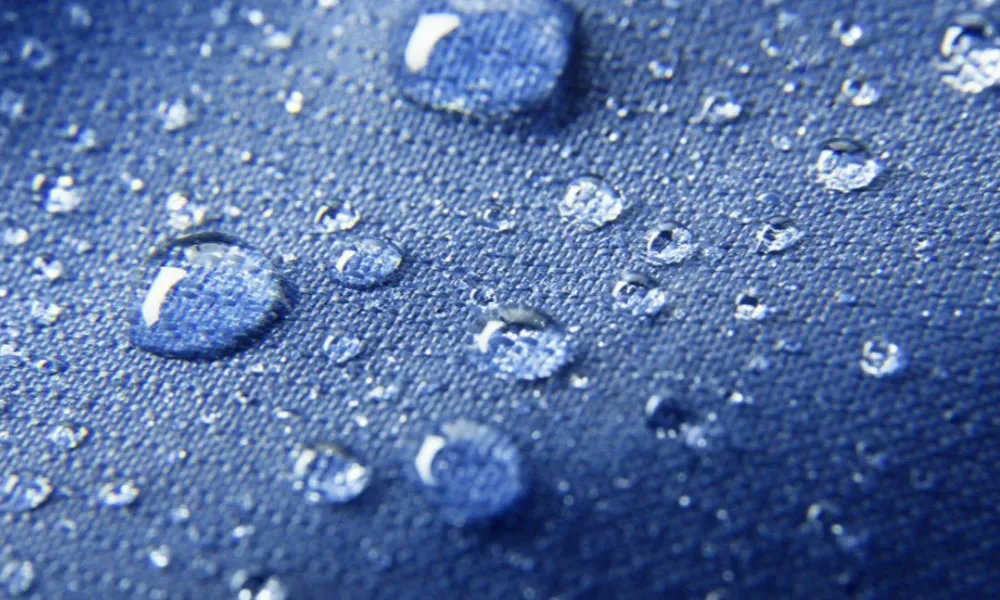
When sourcing waterproof sportswear materials fabrics, many brands receive cheap, sweat-trapping plastic. True weatherproof gear relies on complex layered systems, not single textiles. These laminates combine a durable face fabric, an internal membrane, and a backing layer. The outside delivers a crisp shell handfeel, while the inside varies from a smooth tricot to a soft brushed backing.
These laminates excel in running jackets, hiking shells, and foul-weather gear. When vetting jacket manufacturers in China, never trust breathable claims blindly. In our factory audits, we verify moisture vapor transmission rates against official ISO 11092 standards. You must match the specific membrane to your end use, while strictly testing seam sealing and abrasion resistance to guarantee real protection.