

Your cart is currently empty!
Precautions for outdoor running in winter
Running in winter offers the dual benefits of fitness and willpower training, but the cold weather also increases the risks of exercise. Outdoor running requires adequate preparation and proper body protection to minimize the risk of injury and maximize the fitness benefits.

Contents
- Warm up thoroughly to activate your body’s defenses against injury.
- Wear it scientifically, combining warmth and breathability
- Choose your route carefully to avoid safety hazards
- Control the intensity and proceed gradually to protect your heart and lungs
- Post-run protection: Don’t neglect keeping warm and hydrating
1.Warm up thoroughly to activate your body’s defenses against injury.
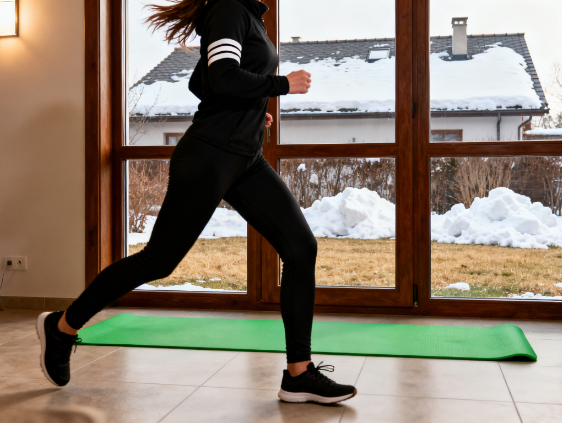
In cold environments, the flexibility and stability of muscles and joints decrease significantly, and insufficient warm-up can easily lead to strains and sprains. If you plan to run outdoors, it is recommended to warm up indoors first to activate your muscles and joints before going outside. A winter warm-up should generally last 5-10 minutes, focusing on dynamic stretching such as jogging in place, high knees, and jumping jacks. Avoid static stretching, as this can reduce muscle elasticity and increase the risk of injury.
2. Wear it scientifically, combining warmth and breathability.
For outdoor running in winter, a “three-layer clothing” principle can be adopted. The first inner layer should be made of quick-drying, moisture-wicking fabric, allowing sweat to evaporate or be wicked away quickly. Avoid cotton clothing, as it’s easy to catch a chill after sweating. Neon’s T-shirts use polyester fabric, which has a quick-drying and moisture-wicking function; details can be found on their official website: https://www.neonsports.cn/product-category/sportswear/polot-shirt/. The middle layer should be fleece or a thin down jacket to lock in warmth. The outer layer should be a windproof and waterproof jacket to cope with cold winds and rain/snow. In addition, the head, hands, and feet also need special protection: wear a knitted hat to reduce heat loss from the head; windproof and warm gloves to keep hands warm; and thick, quick-drying socks and non-slip running shoes to protect the feet. During the run, pay attention to how hot or cold your body feels, adding or removing clothing as needed to avoid catching a chill after sweating.

3. Choose your route carefully to avoid safety hazards
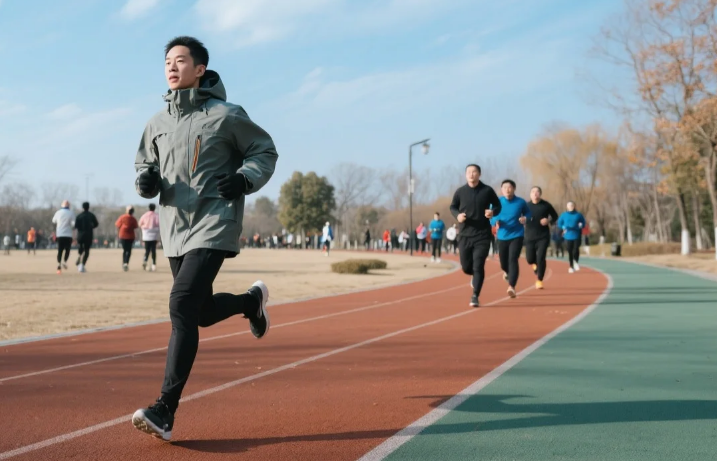
Winter roads are prone to icy and slippery conditions, so safety should be the top priority when choosing a running surface. Opt for dry, flat routes such as asphalt roads or rubberized tracks, and avoid icy sidewalks, bridges, and flooded areas. Additionally, choose to run during the day. If you must exercise at night, choose well-lit routes with high foot traffic, and wear reflective wristbands and jackets to improve visibility. When running outdoors, avoid smog, cold snaps, and other severe weather conditions; if air quality is poor, consider exercising indoors.

4. Control the intensity and proceed gradually to protect your heart and lungs
Low temperatures can increase the burden on the cardiovascular system and relatively decrease bodily functions. It’s not advisable to excessively pursue mileage and speed; instead, intensity should be controlled reasonably according to one’s own condition, increasing gradually. Initially, lower the pace, focusing on an intensity level where “normal conversation is possible,” and continue this for 2-3 weeks until the body adapts before gradually increasing the speed. It’s recommended to keep each running session between 30-60 minutes to avoid prolonged high-intensity exercise that could lead to exhaustion or frostbite. If you experience discomfort such as chest tightness, dizziness, or numbness in your hands and feet while running, stop immediately and rest. Seek medical attention if necessary.
5.Post-run protection: Don’t neglect keeping warm and hydrating
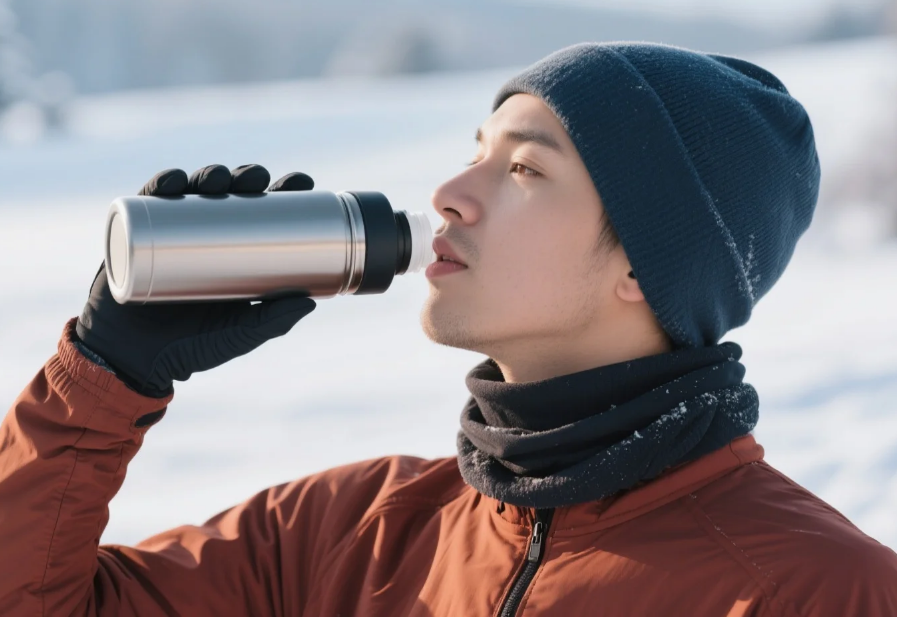
After running, do not take off your clothes immediately. Wipe away sweat promptly and put on warm clothing to avoid catching a cold. Hydration is easily overlooked in winter. Although you sweat less during exercise than in summer, the dry winter weather makes the body prone to dehydration. Therefore, it is still necessary to replenish fluids promptly. It is recommended to drink warm water or sports drinks within 30 minutes after running, avoiding ice water which can irritate the stomach. Post-run stretching is also essential. Choose slow walking or static stretching activities to relax the muscles in your thighs, calves, and core, relieve soreness, and promote recovery.
Safety is paramount when running outdoors in winter. We hope these precautions will help you effectively avoid injury risks and maintain your health and vitality during the cold winter months!